
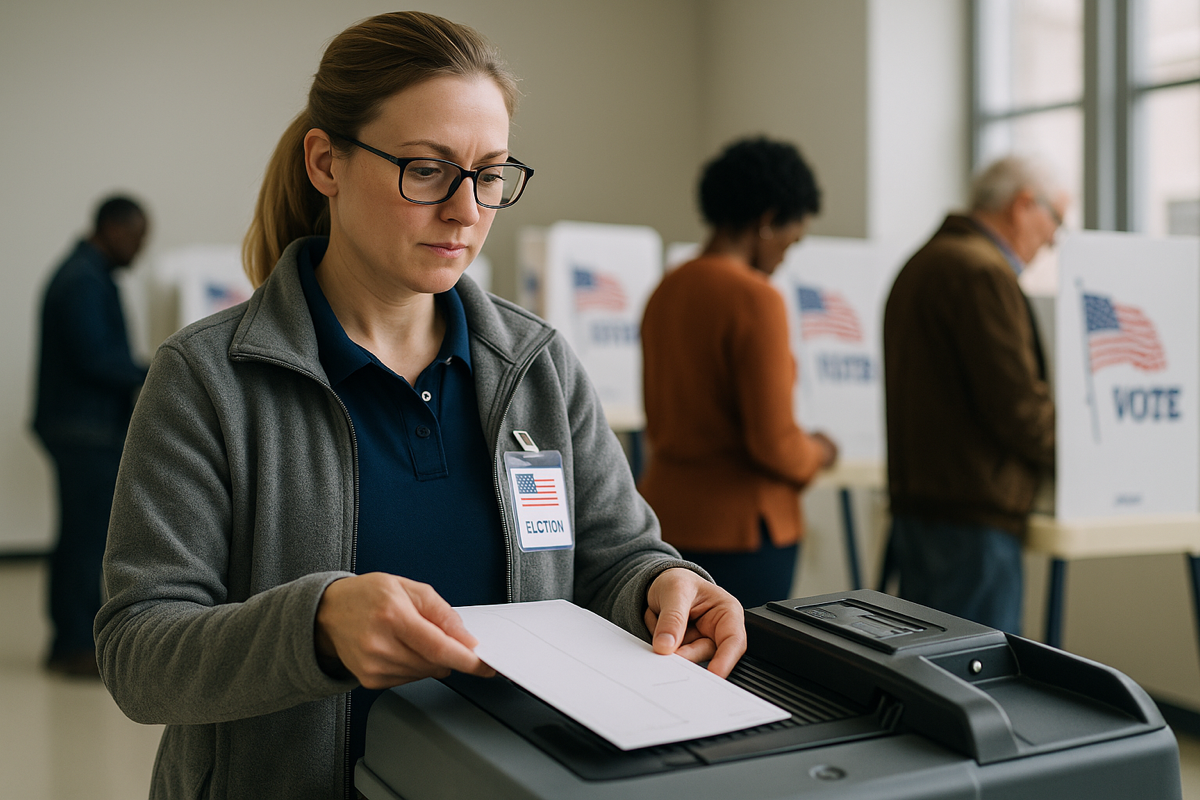
Election officials nationwide are preparing for the 2026 primary season with a series of updated security measures aimed at ensuring accuracy, transparency, and public confidence. The changes reflect lessons learned from recent election cycles and recommendations from cybersecurity experts and bipartisan commissions.
Enhanced Cybersecurity Protections
Many states have invested in modernized cybersecurity frameworks to guard against hacking attempts and system intrusions. These updates include:
- Multi-factor authentication for election management systems
- Enhanced monitoring software to detect suspicious activity
- Partnerships with federal agencies to track digital threats
- Regular cybersecurity audits and penetration tests
State officials say collaboration with federal partners such as the Cybersecurity and Infrastructure Security Agency (CISA) has significantly improved readiness.
Updated Voting Equipment and Verification Tools
Several states are rolling out upgraded voting machines designed to improve accuracy and reduce potential vulnerabilities. These systems typically include paper-backed records to ensure transparency during recounts and audits.
Officials also report increased interest in risk-limiting audits — a method that verifies election outcomes by comparing a sample of paper ballots to reported results.
Poll Worker Recruitment and Training
One of the biggest challenges heading into 2026 remains staffing. Many jurisdictions continue to face shortages of trained poll workers. To address this, states are:
- Launching recruitment campaigns
- Offering stipends and incentives
- Providing multilingual training materials
- Creating digital training modules for faster onboarding
Election administrators emphasize that well-trained poll workers are critical to smooth and secure Election Day operations.
Voter Education Efforts
Public education campaigns are underway to clarify voting procedures, update residents on polling place changes, and reinforce how ballots are counted. Several states are prioritizing outreach to rural voters, young voters, and individuals who rely on early or absentee voting.
Officials say clear communication is essential for reducing misinformation and ensuring voters understand what to expect.
Remaining Challenges
Despite significant improvements, concerns remain. Some rural counties still operate on outdated infrastructure, while others face budget constraints that make upgrades difficult. Staffing, training, and public trust continue to be major issues, particularly as political rhetoric intensifies.
Election officials say they will provide additional updates as primary season approaches, including final details on logistics and security coordination.